Carbohydrates: what they are, types and nutritional value

Last updated: 2/7/2024
/ Published: 12/2/2021
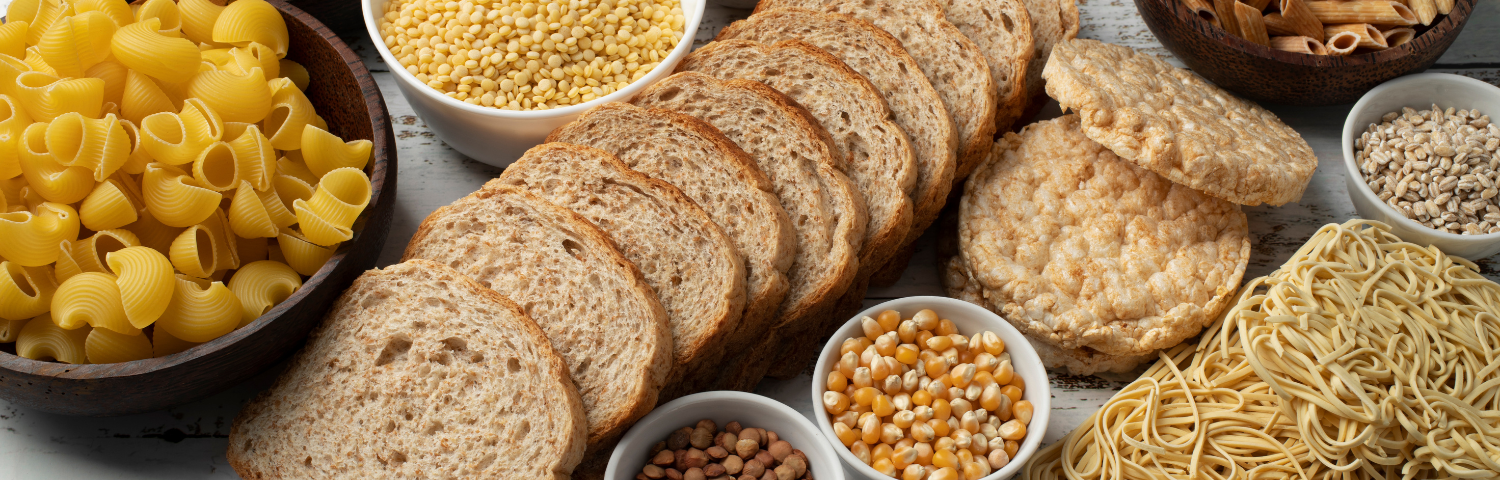
In recent years, carbohydrates have gained a reputation as ""forbidden macronutrients"". If you have ever cut carbohydrates out of your diet, keep reading! We explain what they are, the different types and how to tell them apart.
What are carbohydrates?
They are one of the threemain macronutrientsfound in food and drinks, alongside proteins and fats.
They are molecules thathelp store and provide energyimmediately, especially for the brain and nervous system.
They are made up of three essential elements: carbon,hydrogenandoxygen, the latter in a lower proportion.
Types of carbohydrates
According to their chemical structure, in other words, how many molecules they are made up of, we can classify them into four types:
Monosaccharides
These are known as simple carbohydrates or sugars. They are made up of a single molecule, which makes them the body's main source of fuel and energy.
Some examples of monosaccharides arefructoseandglucose.We can find them in foods such as fruit or honey.
Disaccharides
These also belong to the simple carbohydrates, withlactosebeing the best known. It is formed by the combination of one glucose molecule and one galactose molecule. They are found in milk and dairy products.
Interestingly, when we buy lactose-free foods, they taste sweeter because the glucose molecule is separated from the galactose, leaving the glucose molecule that gives the characteristic sweet taste.
Oligosaccharides
Featured products


These are complex carbohydrates. They can be made up of between three and nine monosaccharide molecules.
Polysaccharides
When the chains of molecules reach more than ten, they are called polysaccharides. They are usually responsible for structural or storage functions in the body because they are absorbed more slowly and the energy they provide is released gradually. Foods that contain them tend to bemore filling, delay the feeling of hunger and help control sugar levels.
The most common polysaccharides are: starch, amylose, glycogen, cellulose and chitin. Foods that contain this type of carbohydrate include vegetables, greens, whole grains, wholemeal bread, tubers orpulses.
Nutritional value
According to the WHO, the average energy needed by a healthy adult is between 2,000 and 2,500 kilocalories a day for men and between 1,500 and 2,000 kilocalories a day for women.
We can help you tell apart some terms that may appear on food labels and can be confusing:
What are net carbohydrates?
This normally refers to the amount of carbohydrates in a product without including the grams of fibre and sugar alcohols. These are usually subtracted because the body does not digest either fibre or sugar alcohols.
What is the glycaemic index?
It is the way of classifying foods according to their ability to raise blood glucose levels. Potatoes and white bread are examples of foods with a high glycaemic index. By contrast, foods with a low glycaemic index include pulses, cod, apple, oats and sweet potato. Sources:
- Carbohydrates: how they can be part of a healthy diet. (n.d.). Mayo Clinic.https://www.mayoclinic.org/es-es/healthy-lifestyle/nutrition-and-healthy-eating/in-depth/carbohydrates/art-20045705?reDate=12112021
- Zanin, T. (2021, 4 October).21 foods rich in carbohydrates. Tua Saúde.https://www.tuasaude.com/es/alimentos-ricos-en-carbohidratos/