What to take for period pain?

Last updated: 2/6/2024
/ Published: 9/23/2022
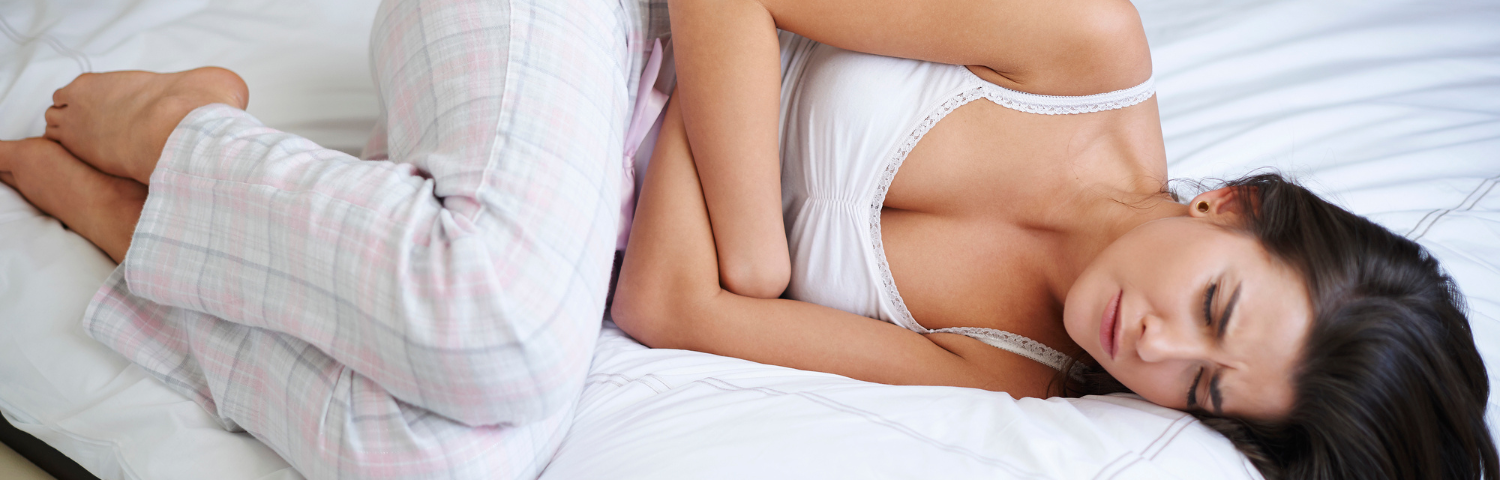
Do you suffer from period pain and want to know what to take for period pain? A large proportion of women experience dysmenorrhoea, or painful periods, which can appear as cramps or throbbing pain in the lower abdomen.
It is also possible to experience other symptoms such as diarrhoea, nausea, headache or back pain. Period pain should not be confused with the symptoms of premenstrual syndrome, which can appear several weeks before the period starts: bloating, tiredness, irritability and weight gain.
At Farmaciasdirect, we are going to show you the best medicines for period pain.
Why does your period hurt?
Menstruation is part of a biological process through which vaginal bleeding occurs every 28 days. For many women, it is not an inconvenience, and they can even ensure greater protection and confidence against leaks and the like by using products such as tampons or menstrual cups.
There are two types of dysmenorrhoea, known as primary and secondary. The most common type of period pain is primary dysmenorrhoea. In this case, there is no cause other than the uterus’s own activity during this time. As a result, cramps appear due to the contraction and relaxation of its muscles.
Period pain can last several days or longer, and may even begin before the period starts. It first appears during adolescence, once the first menstrual periods have begun.
However, many women feel less pain as the years go by, and it is even a symptom that may lessen after becoming pregnant. As for secondary dysmenorrhoea, because it is caused by conditions affecting the uterus or other organs, it does not usually appear in adolescence but later on.
In fact, in this case it is common for the pain to increase over time. The pain may appear before the period starts, continue during the days of menstruation and even carry on after it has ended.
What can you take to reduce period pain?
Any woman who experiences severe pain during menstruation should see her GP or gynaecologist without fail. In these cases, the most sensible thing is to rule out any serious illness or dysfunction.
However, if you have common mild discomfort, it is possible to take certain over-the-counter medicines, although you must pay attention to the dosage. The most advisable thing is to seek guidance from healthcare professionals, whether your doctor or pharmacist, in order to choose the most suitable treatment. Here we explain what to take for period pain:
- To relieve period pain, the most recommended options are non-steroidal anti-inflammatory drugs and painkillers, such as naproxen or ibuprofen. These medicines work by reducing the effects of prostaglandins in the uterus, thereby easing cramps. They can be taken once symptoms appear and the treatment can continue for several days. However, they should be avoided if you have certain conditions, such as liver disease, ulcers or stomach problems.
- Other medicines that can relieve pain are paracetamol or Nolotil, although they are painkillers rather than anti-inflammatory medicines, so they may be less effective.
- As for the use of aspirin (acetylsalicylic acid), it is strongly discouraged during menstruation because taking it may cause heavy bleeding and make it last longer.
In most cases, these medicines are enough to put an end to period pain. However, if they do not work, your doctor may prescribe contraceptive pills, which help regulate the cycle and make the pain disappear.
Other recommendations to get rid of period pain
Featured products


As well as taking medicines, you can try several alternatives:
- Avoid smoking.
- Follow a varied and balanced diet.
- Do regular exercise during the menstrual cycle.
- Practise relaxation techniques.
- Apply heat to the lower abdomen with a hot bath or a hot water bottle.
When is it necessary to see a healthcare professional about period pain?
Most women experience very mild pain during menstruation. However, it is always advisable to see a doctor in the following cases:
- Severe pain that does not go away with anti-inflammatory medicines.
- A fever appears along with the period pain.
- Cramps that suddenly get worse.
- Severe cramps appearing for the first time in women over 25.
- The same pain appears even when you are not menstruating.
Bibliography:
- Molinero, L. R. The adolescent with menstrual pain.
- Cedeño, P. K. M., Desiderio, J. E. C., Chiquito, O. L. A., & Mora, M. M. M. (2019). Dysmenorrhoea as the main cause of painful menstrual periods. RECIAMUC, 3(3), 769-788.
- Diez, C. V., & Rodríguez, M. D. C. (2021). Influence of dietary factors on menstrual pain. Metas de enfermería, 24(9), 21-32.