What to take for muscle soreness?

Last updated: 2/5/2024
/ Published: 9/26/2022
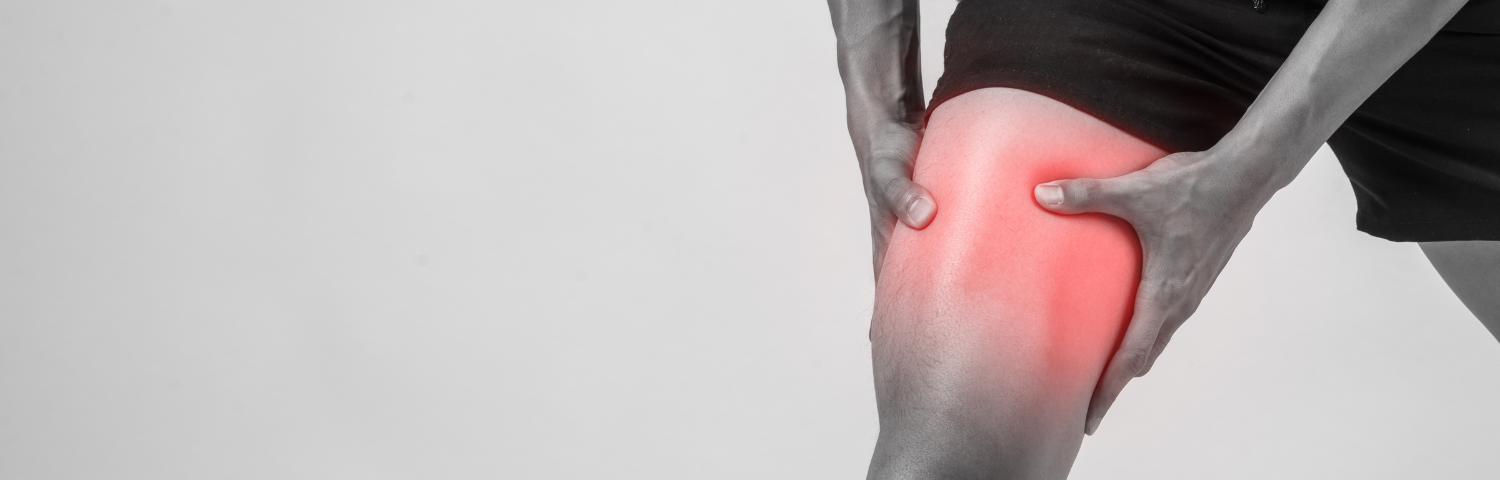
Want to know what to take for muscle soreness?Delayed onset muscle soreness or DOMS (delayed onset muscle soreness) is commonly known as muscle soreness, and it is a bodily discomfort that appearsafter doing unusual physical activity.Almost everyone experiences it at some point and, although it is quite annoying when it happens, it does not usually have any major medical importance. It goes away over the course of hours or days, allowing us to carry on with normal life without complications. But what should you do when you have muscle soreness and it causes pain? What can you take to improve the situation? AtFarmaciasdirectwe show you what to take for muscle soreness.
Find out what to take for muscle soreness
Sport is very healthy for the body, helping to build muscles and keep bones in good condition, as they are better protected by the muscle mass around them. Even so, it is still atraumatic actionfor the body, especially when you are starting from scratch or reaching new performance levels, since you are putting tissues under strain they are not used to. Although the cause of muscle soreness is not clear, the truth is that it usually appears as a result ofunusual muscle contractionswhen we practise a new sport or perform more intensely than usual. As the muscle is exercised and gets used to this new effort, it will usually stop appearing. In the days after training, this delayed pain may appear in a moderate way, in which case it will not be necessary to take any medication. However, if it is moreintense or disabling, certain over-the-counterpainkillerscan be taken to relieve it.
Which is better for muscle soreness: ibuprofen or paracetamol?
The most common pain relievers at home areibuprofen and paracetamol, so the tendency is to choose between these two medicines to deal with muscle soreness. However, their properties are different and they are not used for the same type of pain, so it is common to ask which one is most suitable in this case. Ibuprofenis an anti-inflammatory with pain-relieving properties, so it can easily be associated with muscle-related injuries. However, this medicineis not recommendedfor this type of complaint, as it acts generally and has negative effects on the gut. Paracetamol, on the other hand, is indicated foroccasional painand fever, so it can be a good ally against muscle soreness. It is not recommended to take it before sport as a preventive measure, as is sometimes suggested, because the ideal way to avoid muscle soreness as much as possible is simply to prepare the muscle for the effort as well as you can. There are other specific products for treating this type of discomfort that are fortopical useand can be very effective. We are talking aboutanti-inflammatory gel medicines, which are designed to deal with contractures, stiff neck and other localised muscle discomfort, so they can give good results for muscle soreness.
Featured products


How long does muscle soreness take to go away?
Years ago, there was a belief that this sharp sensation was caused by the build-up and crystallisation of lactic acid in the muscle, something science has now completely ruled out. Nowadays we know that the best preventive method iswarming up and preparing the musclesbefore exercising, which is useful for sports involving strength, and that it only disappears when the muscle is exercised regularly. Muscle soreness usually reaches its most intense level between24 and 72 hoursafter doing sport or straining the muscles, and it appears as pain focused on the areas where the effort has taken place. After that time, the discomfort will usually begin to lessen until it disappears completely. If the pain persists, it is advisable to consult a doctor in case there is a more serious injury. To reduce it or make it disappear sooner, there are some practices that can help considerably in addition to taking painkillers. It is advisable torestand not strain the affected areas in the following days; it is also useful to apply cold to the muscles that hurt most intensely because of its natural pain-relieving effect. Bibliography:
- Medrano, I. C. Muscle micro-tears: muscle soreness and hypertrophy.
- Drobnic Fernández, F. (1989). Muscle soreness, a clinical entity with an inappropriate name? (Mechanisms of onset, progression and treatment). Apunts Medicina de l"" Esport (Castellano), 26(100), 125-134.
- Elvar, J. R. H., Costa, M. R., Medrano, I. C., Física, P. A., & España, D. C. V. Muscle soreness: Prevention and Treatment.