
How to get rid of neck muscle knots?

Last updated: 11/1/2025
/ Published: 11/1/2025
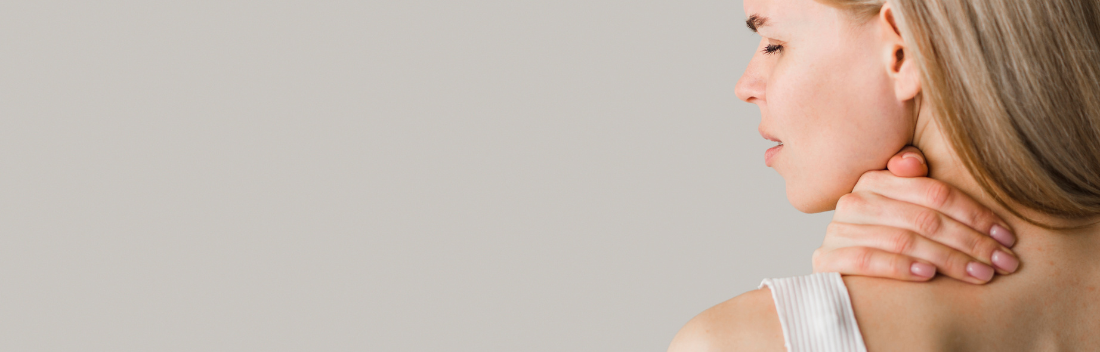
Neck muscle knots are one of the most common muscular complaints, mainly caused by lifestyle habits such as spending many hours in front of a computer, maintaining poor posture or building up emotional tension. Although they are not a serious health problem, they can significantly affect quality of life, causing pain, stiffness and restricted movement. Find out why they appear and how to prevent them.
Neck muscle knots: symptoms
Neck muscle knots are a common problem with a combination of symptoms that affect the quality of life of those who suffer from them, and which can vary in intensity and duration depending on the cause and the knot itself:
- Intense neck pain that gets worse with movement.
- Stiffness that limits mobility.
- Pain that can spread to the shoulders, upper back or even the arms and head, causing localised headaches.
- Headache, mainly at the base of the skull or across the forehead around the eyes.
- Tenderness and pain in the neck muscles.
- A tingling sensation, cramp or numbness in the arms and hands.
- In some uncommon cases, nausea or muscle weakness in the hands and arms.
How can we relieve muscle knots?
- Heat: We can apply heat to relieve the discomfort with an electric blanket or a hot water bottle. This heat helps to improve and relax the muscles, as well as improving circulation.
- Stretching: Make gentle, slow head movements from side to side and from back to front, above all without forcing them. This can improve and support mobility.
Featured products


- Rest: To prevent stiffness, it is advisable to combine rest with gentle movement and, above all, avoid complete immobilisation.
- Healthy habits: When it comes to posture, for example while working, the way we sit at the desk, the height of the screen and even sleeping posture are all very important.
Medicines that can help you
In many cases, even if we try to correct our posture, the pain is already established and, once we reach this point, it is difficult for it to go away just by correcting posture. It is true that habits such as the stretches mentioned above can help relax the muscle, but we can also use anti-inflammatory ointments and gels that relieve the pain at the time, such as creams or gels.
- Voltadol: This is a gel containing diclofenac to relieve localised pain and inflammation when it is mild and occasional pain, such as muscle knots, occasional back pain or a mild sprain. In more serious or longer-lasting cases, we should consult a doctor so they can assess the situation.
- Voltador Forte: This is another gel like the previous one, except that the diclofenac concentration is higher. For occasional pain, but slightly stronger. It also has a prolonged effect, so we would only need to apply it twice a day.
Both should only be applied to the area being treated to achieve a localised effect, together with a massage to enhance absorption and effect.
Precautions with neck muscle knots
Although this type of pain, a muscle knot caused by poor posture, may improve within a few days or when we apply any of the products or methods mentioned, it is important to know when to see a doctor:
- If the pain lasts for more than a week.
- If the pain spreads to the arm or hand area.
- If it becomes more intense or is accompanied by fever, dizziness or loss of strength.
In summary, if it is muscular pain caused by poor posture, the most important thing is to take the right steps to stop it from appearing repeatedly.


