Home / Blog / Health and care / Hot flushes during menopause: causes, symptoms and treatment
Hot flushes during menopause: causes, symptoms and treatment

Published: 3/10/2025

The menopause is a natural stage in every woman's life, but it comes with a series of hormonal changes that can cause discomfort. One of the most common and frequent symptoms during this stage is hot flushes. These episodes of intense heat, which affect many women, can be uncomfortable and, in some cases, interfere with quality of life. In today's post, we explain why hot flushes happen and how to treat them in the best possible way, including some natural options that could be helpful.
What are hot flushes?
Hot flushes are one of the most characteristic and common symptoms of menopause. They are characterised by a sudden and intense feeling of heat that is experienced mainly in the upper body, especially the face, neck and chest. They can be recognised because the skin becomes flushed and sweating occurs, which may range from mild to intense. They may also be accompanied by palpitations or an increased heart rate.
Differences between hot flushes and sweating
Although they are often related, hot flushes and sweating are two different phenomena with some key differences:
- Hot flushes: a sudden feeling of heat that occurs in the upper body, face, neck and chest. It is characterised by redness of the skin and may or may not be accompanied by sweating.
- Sweating: this is the release of fluid (sweat) by the sweat glands in order to regulate body temperature. Unlike hot flushes, it can occur all over the body and be caused by other factors such as heat, exercise or stress.
Causes of hot flushes: why do they happen?
They are caused by hormonal changes, mainly by the drop in oestrogen levels in the body.
During menopause, the ovaries stop producing this hormone consistently, which causes an imbalance in the system that regulates body temperature, especially the hypothalamus. When this system detects that the internal temperature is elevated, it tries to cool the body by activating mechanisms such as sweating and the dilation of blood vessels, which causes that feeling of heat or menopausal hot flushes that is typical of hot flushes.
This phenomenon can be unpredictable and varied, affecting some women intensely, while others experience milder or occasional hot flushes. However, it can also occur in men due to the reduction in testosterone around the age of 50 (known as andropause).
When do hot flushes start during menopause?
Hot flushes usually begin during perimenopause, which is the transition period leading up to menopause. In general, the associated symptoms begin between three and seven years before the last menstrual period.
Types of hot flushes during menopause
Hot flushes can be classified according to their intensity (mild, moderate or severe) or by when they occur:
- Daytime hot flushes: they happen during the day and may interrupt daily activities.
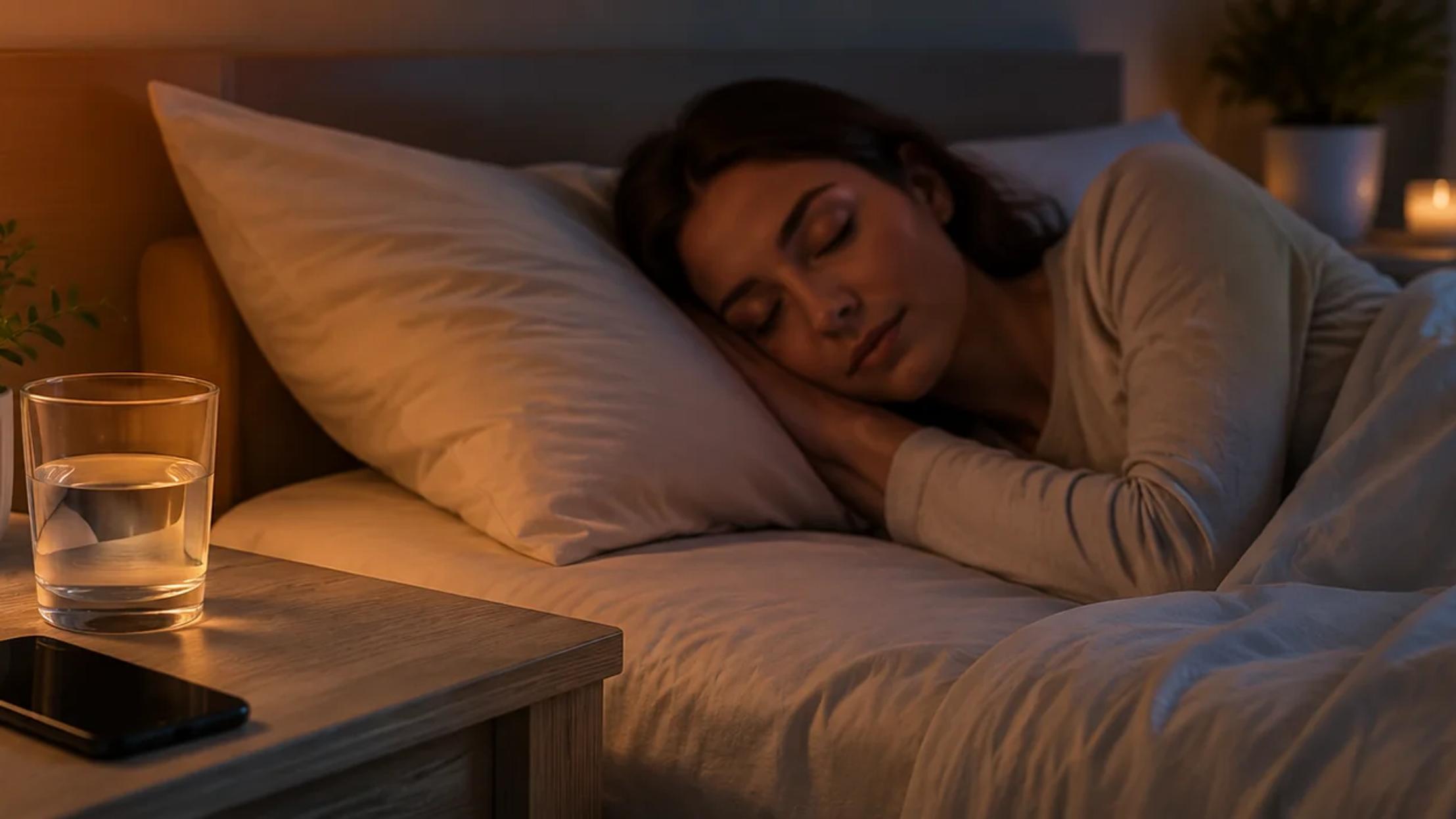
- Night-time hot flushes: these are episodes of intense heat and sweating (night sweats) that occur during sleep. These menopausal sweats are a common symptom at this stage, affecting 70%-80% of women.
The duration and intensity of hot flushes can vary, from a few seconds to several minutes, and they may occur with varying frequency, from a few times a day to 20 episodes a day in the most severe cases.
Featured products


How can hot flushes be treated?
There are various options for treating hot flushes, and it is essential to choose the right treatment according to each woman's needs and health. Therefore, the first step you should take is to see your doctor so they can prescribe, if necessary, an appropriate medical treatment.
Below, I’m sharing some of the most recommended natural alternatives:
Menovamp Cimicifuga
The Menovamp Cimicifuga supplement, based on Cimicifuga racemosa, has been shown to be effective in treating hot flushes and other symptoms related to menopause. Cimicifuga is a plant that acts in a similar way to oestrogen in the body, helping to balance hormone levels and reduce the frequency and intensity of hot flushes. Menovamp Cimicifuga is an excellent option for those looking for a natural treatment.
Pranarôm Herbagelm Fem50+
Pranarôm Herbagelm Fem50+ Bio gotas is formulated with organic plant extracts that help balance hormones and reduce menopause symptoms, such as hot flushes and night sweats. Thanks to its plant-based composition, it has a balancing effect on the female hormonal system, helping to reduce the intensity of hot flushes naturally.
Solgar Meno Prime
It is a supplement for hot flushes known for its combination of natural ingredients that support hormonal health during menopause. It contains plant extracts, which help relieve hot flushes, improve overall wellbeing and promote hormonal balance. Solgar Meno Prime cápsulas is an option that may be useful for those seeking relief from symptoms without turning to hormonal treatments.
Tips to reduce hot flushes
In addition to the treatments mentioned, there are some recommendations that could help you reduce the frequency and intensity of hot flushes.
- Maintain a healthy lifestyle: avoid excessive consumption of caffeine, alcohol and spicy foods, as these can trigger hot flushes.
- Exercise: regular physical exercise helps maintain hormonal balance and reduce symptoms.
- Manage stress: stress can intensify hot flushes. Relaxation techniques such as meditation or yoga can be very beneficial.
- Keep your surroundings cool: sleeping in a cool, well-ventilated environment can help reduce the discomfort associated with hot flushes.
As you can see, hot flushes are one of the most common and bothersome symptoms of menopause, but there are different ways to manage them. From hormone therapies to natural treatments such as Menovamp Cimicifuga, Pranarôm Herbagelm Fem50+ and Solgar Meno Prime, there are many options available to help relieve these symptoms.
The most important thing is for each woman to choose the treatment that best suits her needs, always under the supervision of a gynaecologist.
If you experience hot flushes or any other menopause symptom, I recommend speaking to your doctor to determine the best option for you. Menopause is a natural stage, and with the right treatment, you can go through it in comfort and wellbeing.