Bacteria and Viruses: What Is the Difference?

Last updated: 2/19/2024
/ Published: 3/11/2020
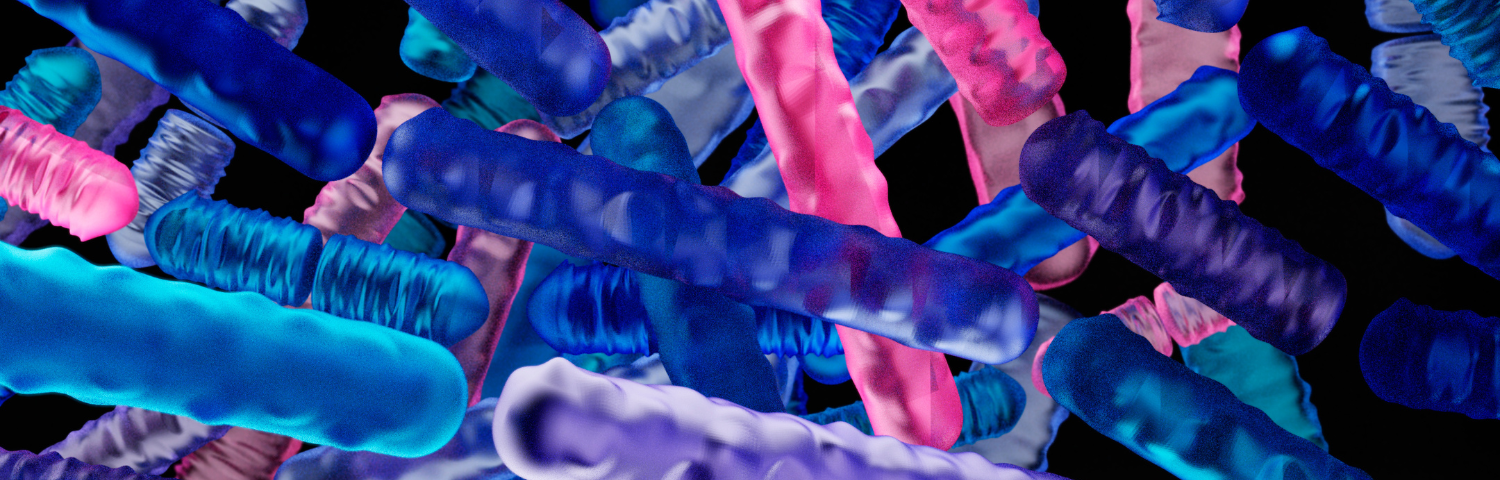
Bacteria and viruses are microorganisms, but they behave differently and require different approaches to prevention and treatment. Coronavirus Some bacteria can cause infections, while others are harmless or beneficial for digestion, skin balance and the body’s microbiota. Bacteria Versus Viruses Viruses need living cells to multiply and are responsible for illnesses such as colds, flu and many respiratory infections. Bacteria Versus Viruses Antibiotics act against bacterial infections, but they are not effective against viruses and should only be used when prescribed. Hand hygiene, ventilation, vaccination when indicated and avoiding close contact during contagious symptoms help reduce transmission. Bacteria Versus Viruses Understanding the difference helps prevent inappropriate self-medication and supports responsible pharmacy advice. Bacteria Versus Viruses Bacteria and viruses are microorganisms, but they behave differently and require different approaches to prevention and treatment.
What Bacteria Are
Some bacteria can cause infections, while others are harmless or beneficial for digestion, skin balance and the body’s microbiota. Bacteria Versus Viruses Viruses need living cells to multiply and are responsible for illnesses such as colds, flu and many respiratory infections. Bacteria Versus Viruses Antibiotics act against bacterial infections, but they are not effective against viruses and should only be used when prescribed. Bacteria Versus Viruses Hand hygiene, ventilation, vaccination when indicated and avoiding close contact during contagious symptoms help reduce transmission. Bacteria Versus Viruses Understanding the difference helps prevent inappropriate self-medication and supports responsible pharmacy advice.
What Viruses Are
Bacteria and viruses are microorganisms, but they behave differently and require different approaches to prevention and treatment. Bacteria Versus Viruses Some bacteria can cause infections, while others are harmless or beneficial for digestion, skin balance and the body’s microbiota. Viruses need living cells to multiply and are responsible for illnesses such as colds, flu and many respiratory infections. Bacteria Versus Viruses Antibiotics act against bacterial infections, but they are not effective against viruses and should only be used when prescribed. Bacteria Versus Viruses Hand hygiene, ventilation, vaccination when indicated and avoiding close contact during contagious symptoms help reduce transmission. Bacteria Versus Viruses Understanding the difference helps prevent inappropriate self-medication and supports responsible pharmacy advice. Bacteria Versus Viruses Bacteria and viruses are microorganisms, but they behave differently and require different approaches to prevention and treatment.
Why the Difference Matters
Some bacteria can cause infections, while others are harmless or beneficial for digestion, skin balance and the body’s microbiota. Bacteria Versus Viruses Viruses need living cells to multiply and are responsible for illnesses such as colds, flu and many respiratory infections. Bacteria Versus Viruses Antibiotics act against bacterial infections, but they are not effective against viruses and should only be used when prescribed. Bacteria Versus Viruses Hand hygiene, ventilation, vaccination when indicated and avoiding close contact during contagious symptoms help reduce transmission. Bacteria Versus Viruses Understanding the difference helps prevent inappropriate self-medication and supports responsible pharmacy advice. Bacteria and viruses are microorganisms, but they behave differently and require different approaches to prevention and treatment. Bacteria Versus Viruses Some bacteria can cause infections, while others are harmless or beneficial for digestion, skin balance and the body’s microbiota. Bacteria Versus Viruses Viruses need living cells to multiply and are responsible for illnesses such as colds, flu and many respiratory infections.
Prevention
Antibiotics act against bacterial infections, but they are not effective against viruses and should only be used when prescribed. Bacteria Versus Viruses Hand hygiene, ventilation, vaccination when indicated and avoiding close contact during contagious symptoms help reduce transmission. Understanding the difference helps prevent inappropriate self-medication and supports responsible pharmacy advice. Bacteria Versus Viruses Bacteria and viruses are microorganisms, but they behave differently and require different approaches to prevention and treatment. Bacteria Versus Viruses Some bacteria can cause infections, while others are harmless or beneficial for digestion, skin balance and the body’s microbiota. Bacteria Versus Viruses Viruses need living cells to multiply and are responsible for illnesses such as colds, flu and many respiratory infections.
What Bacteria Are
Antibiotics act against bacterial infections, but they are not effective against viruses and should only be used when prescribed. Bacteria Versus Viruses Hand hygiene, ventilation, vaccination when indicated and avoiding close contact during contagious symptoms help reduce transmission. Bacteria Versus Viruses Understanding the difference helps prevent inappropriate self-medication and supports responsible pharmacy advice. Bacteria Versus Viruses Bacteria and viruses are microorganisms, but they behave differently and require different approaches to prevention and treatment. Bacteria Versus Viruses Some bacteria can cause infections, while others are harmless or beneficial for digestion, skin balance and the body’s microbiota. Viruses need living cells to multiply and are responsible for illnesses such as colds, flu and many respiratory infections. Bacteria Versus Viruses Antibiotics act against bacterial infections, but they are not effective against viruses and should only be used when prescribed. Bacteria Versus Viruses Hand hygiene, ventilation, vaccination when indicated and avoiding close contact during contagious symptoms help reduce transmission.
What Viruses Are
Why the Difference Matters
- Bacterias: Understanding the difference helps prevent inappropriate self-medication and supports responsible pharmacy advice. Bacteria and viruses are microorganisms, but they behave differently and require different approaches to prevention and treatment.
- Virus: Some bacteria can cause infections, while others are harmless or beneficial for digestion, skin balance and the body’s microbiota.
Bacteria Versus Viruses
- Bacterias: Viruses need living cells to multiply and are responsible for illnesses such as colds, flu and many respiratory infections.
- Virus: Antibiotics act against bacterial infections, but they are not effective against viruses and should only be used when prescribed.
Prevention
Hand hygiene, ventilation, vaccination when indicated and avoiding close contact during contagious symptoms help reduce transmission. Bacteria Versus Viruses Understanding the difference helps prevent inappropriate self-medication and supports responsible pharmacy advice.
- Bacterias: Bacteria and viruses are microorganisms, but they behave differently and require different approaches to prevention and treatment. Bacteria Versus Viruses Some bacteria can cause infections, while others are harmless or beneficial for digestion, skin balance and the body’s microbiota.
- Virus: Viruses need living cells to multiply and are responsible for illnesses such as colds, flu and many respiratory infections. Bacteria Versus Viruses Antibiotics act against bacterial infections, but they are not effective against viruses and should only be used when prescribed.
What Bacteria Are
- Bacterias: Hand hygiene, ventilation, vaccination when indicated and avoiding close contact during contagious symptoms help reduce transmission. Bacteria Versus Viruses Understanding the difference helps prevent inappropriate self-medication and supports responsible pharmacy advice.
- Virus: Bacteria and viruses are microorganisms, but they behave differently and require different approaches to prevention and treatment. Bacteria Versus Viruses Some bacteria can cause infections, while others are harmless or beneficial for digestion, skin balance and the body’s microbiota.
Viruses need living cells to multiply and are responsible for illnesses such as colds, flu and many respiratory infections. Farmaciasdirect Antibiotics act against bacterial infections, but they are not effective against viruses and should only be used when prescribed. Bacteria Versus Viruses Hand hygiene, ventilation, vaccination when indicated and avoiding close contact during contagious symptoms help reduce transmission. Bacteria Versus Viruses Understanding the difference helps prevent inappropriate self-medication and supports responsible pharmacy advice. Bacteria Versus Viruses Bacteria and viruses are microorganisms, but they behave differently and require different approaches to prevention and treatment. Bacteria Versus Viruses Some bacteria can cause infections, while others are harmless or beneficial for digestion, skin balance and the body’s microbiota. Bacteria Versus Viruses Viruses need living cells to multiply and are responsible for illnesses such as colds, flu and many respiratory infections. RRSS Antibiotics act against bacterial infections, but they are not effective against viruses and should only be used when prescribed. Facebook Hand hygiene, ventilation, vaccination when indicated and avoiding close contact during contagious symptoms help reduce transmission. Twitter Understanding the difference helps prevent inappropriate self-medication and supports responsible pharmacy advice. Instagram Bacteria and viruses are microorganisms, but they behave differently and require different approaches to prevention and treatment. Youtube Some bacteria can cause infections, while others are harmless or beneficial for digestion, skin balance and the body’s microbiota.