Symptoms, causes and treatments for rosacea-prone skin

Last updated: 2/12/2024
/ Published: 12/28/2020
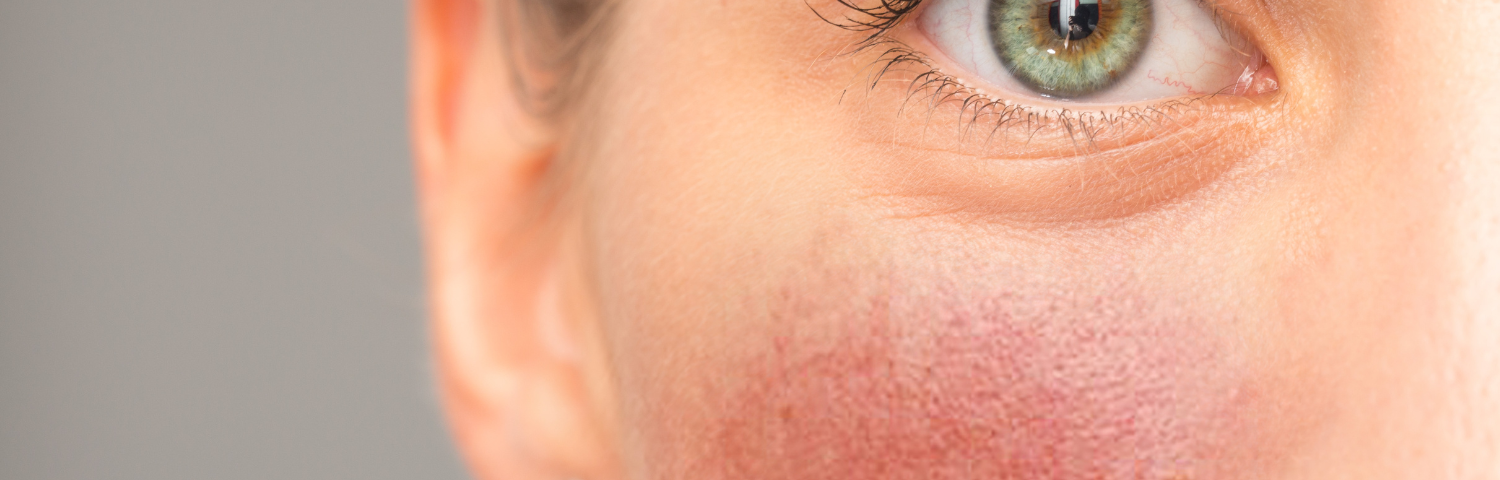
It is a chronic inflammatory disease in the middle area of the face that generally affects women and people with fair skin. Yes, we are talking about rosacea, symptoms and treatments to help relieve its effects.
Rosacea is a chronic skin disease characterised by the appearance of spots, reddening of the dermis, mainly in the face area, and sometimes it even affects the eyes.
Although it also occurs in men, it is mainly women who suffer the effects of this skin disease. Especially if they have fairer skin. The reason? It is still unknown.
What is known is that there are factors that can trigger rosacea, such as extreme temperatures, alcoholic drinks, stress and spicy foods.
Rosacea: most common symptoms
The symptoms of rosacea include the following:
- Redness in the centre of the face, which may occur occasionally or permanently.
- Capillary dilation: small blood vessels or capillaries that are dilated and visible through the skin.
- Papules and pustules: acne-like lesions.
- High reactivity and sensitivity of the skin, burning, itching, oedema...
Treatments for rosacea and its symptoms
Take note! We talk to you about the symptoms and treatments for rosacea:
Featured products


Cleansing
Super important: avoid using very hot water, whether in the shower or if we take a bath, as well as in saunas. And use gentle cleansing products specifically for sensitive or rosacea-prone skin.
Oh! And we almost forgot: no exfoliating the skin or undergoing peels. Rosacea-prone skin is very sensitive and this could irritate it even more.
Hydration
For skin comfort, it is very important to use a specific cream. Why? Because it will help replenish a lot of water and prevent skin irritation, itching and burning.
Creams help keep the skin barrier healthy and strong, which will allow us to protect it better from irritation.
Protection
Ideally, avoid sun exposure, as this can worsen the lesion.
We know this can be very complicated, which is why (once again) we remind you of the importance of always using high sun protection. Even on cloudy days and in winter.
Suitable diet
Eating well is essential! To do this, we will follow a healthy diet rich in vitamins (especially C and D) and low in spicy foods and fats, as well as coffee, alcohol and tobacco.
Although rosacea is a chronic disease that, to date, has no cure, by following these tips and the treatments recommended by dermatologists, we can relieve its symptoms and barely feel its effects.