The Importance of Protecting and Caring for Your Skin

Last updated: 11/18/2025
/ Published: 3/6/2020
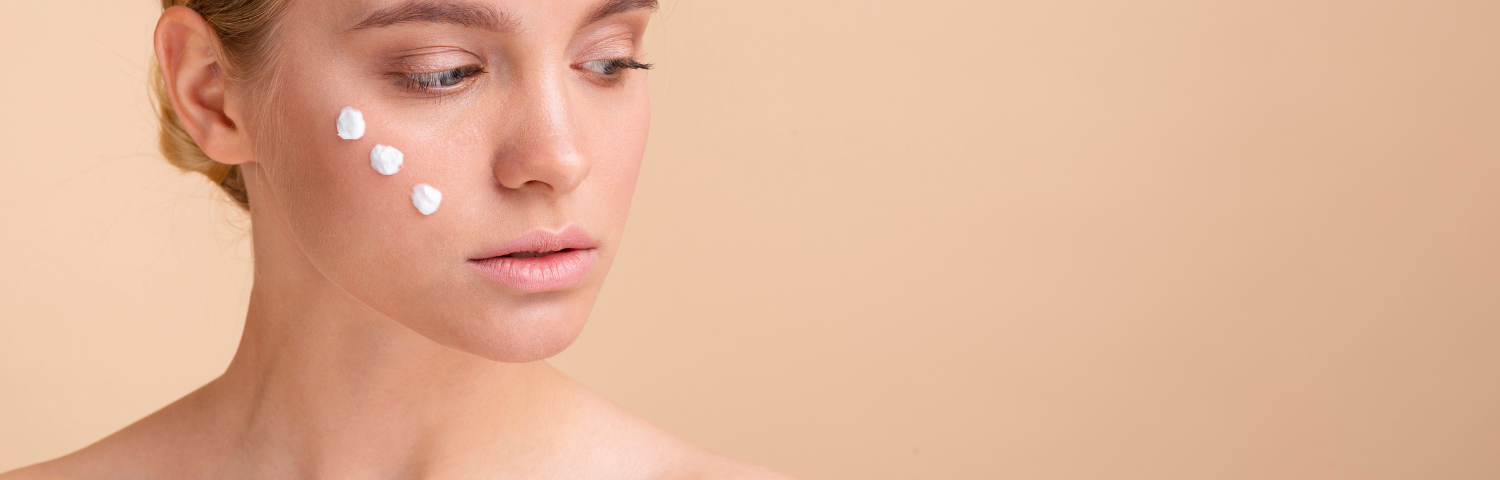
The skin covers approximately 1.5 to 2 square metres and is the largest organ in the human body. That is why we must follow specific care steps to protect and care for the skin against ageing and external aggressors such as pollution or the weather.
The skin is the largest organ in the human body and is responsible for acting as a protective barrier against the external environment, such as chemical or mechanical damage, ultraviolet radiation...
Taking these factors into account, it is very important that we keep our dermis clean, using specific products according to our skin type. Do you have doubts about which one yours is? You will find the answer in this video.
As many of you will already know, this organ is made up of two layers:
- Dermis: the middle layer of the skin, thick, elastic and firm in appearance, which in turn is made up of 2 sublayers (lower layer and upper layer).
- Epidermis: the outermost layer responsible for protecting against bacteria, fluid loss and toxins. It consists of 5 sublayers of cells called keratinocytes, which are different because they go through the keratinisation process (migration of these cell sublayers to the surface of the skin).
The lower layer of the dermis, also known as the reticular layer, is the deep, thick area responsible for establishing the flow of fluids with the subcutaneous tissue. In contrast, the upper layer is called the capillary layer and its function is, in a wave-like form, to establish the defined connection with the dermis.
Functions of the dermis
Continuing with the dermis, its main components are collagen and elastin, which are responsible for giving the skin strength and flexibility.
The passing of the years, the sun and lifestyle have a strong impact on collagen and elastin. What does this mean? As we age, the natural production of elastin and collagen decreases, and so does the skin's ability to retain water.
Let us remember that the dermis is made up of fibres impregnated with a substance that contains hyaluronic acid, which has a great capacity to retain water and help maintain the volume of the skin.
And now you may be wondering, what is the consequence of this loss of collagen and elasticity? The most visible result is the appearance of wrinkles, sagging and a less toned, more aged-looking skin.
Featured products


That is why it is important to protect the dermis, as its role is key to maintaining the proper functioning of the body and, in addition, it is also responsible for nourishing the outermost layers (and their texture) of the skin from within.
- It cushions external blows thanks to its firm, thick texture. Once damage occurs, connective tissues (fibroblasts and mast cells) help to heal wounds.
- It nourishes the epidermis through the blood vessels.
- It releases sebum from the skin, as well as water and lactic acid from its surface, a function performed by the sebaceous glands and sweat glands that make up the dermis. In addition, these liquids combine to form the hydrolipidic film.
How can we care for our skin?
We all know that we cannot stop our skin from ageing. However, we can help to delay this ageing and lessen its effects. If you still have doubts about what type of skin you have, here are some tips to help you identify it quickly and easily.
Not sure how to do it? Keep reading because at Farmaciasdirect we are going to give you a few tips to reduce these signs of ageing on your skin. Avoid excessive exposure to sunlight, as it not only causes dryness and burns, but in the long term it can also cause premature ageing of the skin or even cancer.
Our skin is not only exposed to the sun when we go to the beach or the pool, but also when we leave the house. That is why we should use sunscreen with at least SPF 15 every 2 hours after our moisturiser, and SPF 30 for children, to block damage caused by ultraviolet radiation.
And as we have just mentioned, include hydration in your facial skincare routine. Why? Because water levels stay balanced and the protective barrier becomes stronger and more flexible, which helps keep the skin protected from external agents such as pollution or the weather.
It also prevents dryness, improves the appearance of the skin by reducing fluid retention (which can build up in the eyelids, for example), helps prevent imperfections and restores the dermis to its natural glow and tone.
Most importantly, if you notice any symptoms on your skin, see your dermatologist. They will carry out a biopsy or the appropriate assessment to determine which treatment you should follow so that your dermis can recover.