
Differences between CBD and THC: what are they and how are they obtained?

Last updated: 2/5/2024
/ Published: 7/21/2023
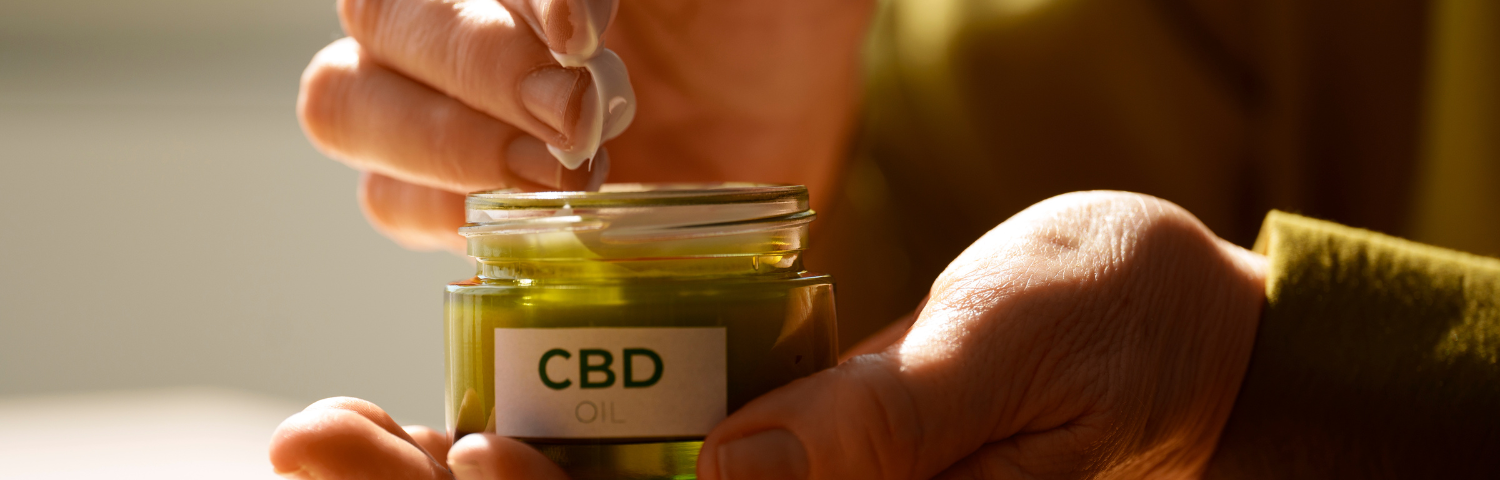
Do you want to know what the differences between CBD and THC are? CBD (or cannabidiol) and THC (tetrahydrocannabinol) are two of the main cannabinoids found in the cannabis plant. Both substances have significant differences in their effects and properties, so it is important to understand their basic concepts and how they are obtained.
Basic concepts
What is CBD?
The cannabidiol (CBD) is a natural compound extracted from the cannabis plant. It is one of more than 100 cannabinoids present in this plant. Unlike THC, CBD does not produce psychoactive effects, meaning it does not cause a feeling of intoxication. For this reason, it has gained popularity for its multiple therapeutic benefits, including analgesic, anti-inflammatory, anxiolytic and neuroprotective properties, among others.
What is THC?
The tetrahydrocannabinol (THC) is another natural compound found in the cannabis plant. Unlike CBD, THC is responsible for the associated psychoactive effects. Tetrahydrocannabinol interacts with cannabinoid receptors in the central and peripheral nervous system, which produces its psychoactive and therapeutic effects, such as pain relief and increased appetite.
CBD and THC extraction process
How is CBD obtained?
The cannabidiol is obtained mainly from industrial hemp, which is the most common source of CBD due to its low THC levels and high CBD levels. To obtain CBD from hemp, extraction techniques such as CO2 extraction or solvent extraction are used to separate CBD from other plant components. CBD can then be incorporated into a variety of products, such as oils, creams, capsules and more.
How is THC obtained?
The tetrahydrocannabinol is obtained mainly from the cannabis variety known as marijuana. Marijuana contains higher levels of THC and low levels of CBD. As with CBD, extraction techniques are used to separate THC from other plant components. However, due to its psychoactive effects, those products with THC levels above 0.2% may be subject to legal regulations.
Similarities and differences between CBD and THC: understanding the characteristics of each one
Featured products


As we have seen, cannabidiol and tetrahydrocannabinol are two of the main cannabinoids found in the cannabis plant. Although they share an origin, both substances have significant differences in their effects and properties. Below, we address the differences between CBD and THC to better understand these two substances and their effects.
Origin and availability
CBD and THC are obtained from the same cannabis plant, but come from different varieties of the plant. While CBD is extracted mainly from industrial hemp, which contains low THC levels, THC is found in higher concentrations in marijuana, a cannabis variety with higher THC levels and low CBD. This is why CBD products are more accessible and legal in many places, while THC may be subject to legal restrictions due to its psychoactive effects.
Psychoactive effects
One of the most notable differences is its psychoactive effect. THC is known as the compound responsible for the intoxication and euphoria effects associated with marijuana use. However, CBD has no psychoactive effects and does not produce any alteration in perception or mood. This makes CBD an attractive option for those seeking the therapeutic benefits of cannabis.
Therapeutic properties
Both cannabinoids show therapeutic properties that may benefit health. THC is known for its analgesic and anti-inflammatory effects, making it an effective option for pain relief and the treatment of conditions such as glaucoma and loss of appetite in patients with medical conditions. On the other hand, the therapeutic properties of CBD are also well known, such as pain and inflammation relief, support in managing stress and anxiety, improved sleep... among other benefits.
Interaction with the endocannabinoid system
Both CBD and THC interact with the body’s endocannabinoid system, which is involved in regulating various physiological functions, such as pain, mood, appetite and sleep. However, the way they interact is different. THC binds directly to CB1 and CB2 cannabinoid receptors in the central and peripheral nervous system, producing its psychoactive and therapeutic effects. CBD, on the other hand, does not bind directly to these receptors but may influence them indirectly.
CBD and THC: are they legal in Spain?
Currently, in Spain only products with CBD with THC levels below 0.2% can be marketed.
In summary, CBD and THC are two cannabinoids found in the cannabis plant, but they have significant differences in their effects and properties. While THC is psychoactive and can cause euphoria and altered mental effects, CBD has no psychoactive effects and is used in a wide range of natural products for therapeutic purposes. However, we recommend consulting a healthcare professional before incorporating products with cannabidiol into your daily routine, especially if you are using medication.


