Acne during your period: why it happens and how to prevent it

Last updated: 1/31/2024
/ Published: 3/31/2023
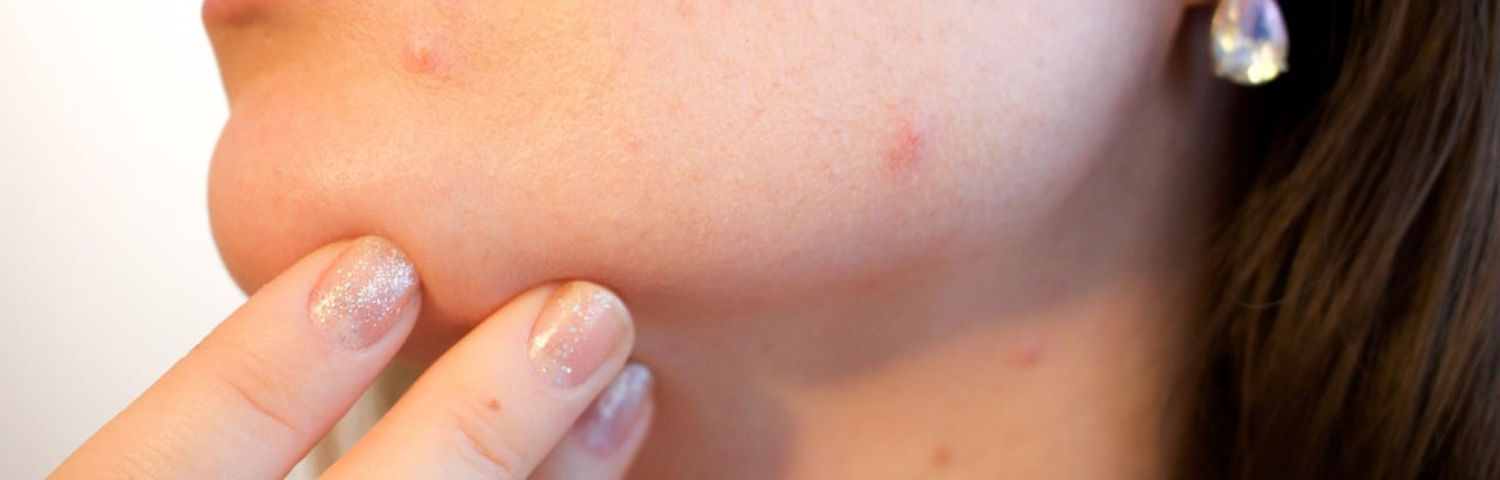
The relationship betweenacne and menstruationis greatly feared, especially by teenagers, and can be explained by premenstrual syndrome. During this period, many women also feel irritable or in a bad mood and notice bloating or cramps. In fact, around 65% of them havespots before their period, according to an article in The Journal of Clinical and Aesthetic Dermatology. Why does this happen? In this article, we will try to explain why it appears and how to prevent it.
Why does acne appear before your period?
During the menstrual cycle, a series of natural hormonal changes take place roughly every 28 days. However, this is not something that only affects the reproductive system, butis a process that impacts the whole body.The effects of hormones are varied, andmenstrual acneis one of the clearest symptoms. Testosterone, meanwhile, is one of the main players. It increases during adolescence in both sexes, and research suggests that it is a key factor in the development of this skin condition. Specifically, around 70% of teenagers suffer from it at this stage of life. The good news is thatit usually improves or disappears in adulthood, although 80% of the adults who continue to have it are women. Once again, the reason lies in hormonal activity, which continues to fluctuate. In men, by contrast, it usually stabilises. Hormonal changes cause numerous shifts during the menstrual cycle, which explains the relationship betweenprogesterone and acne. For example, it can affect the skin's sensitivity, hydration and rate of regeneration. In addition, the skin tends to be oilier, which is whyacne and menstruationare so closely linked. It is common for spots to appear around five days before the start of a period. They mainly appear on the face, although they can also be found on the chest and back. However, they tend to disappear at the end of menstruation.
How do spots develop during your period?
A few days before menstruation, the levels of androgen hormones, such as testosterone, increase in the body. As a result,the sebaceous glands become more activeand sebum production increases. In this way, both the sebum and the oil produced play a direct role in the formation of acne. If they build up in the pores, they become inflamed, red and infected. As a consequence, this leads to theformation of blackheads and spots.
How can you tackle acne during your period?
For many women, the combination ofacne and menstruationis a problem. Because of this, a large majority decide to see their doctor to try to stabilise their hormone levels. One of the usual approaches is to prescribe acontraceptive pill. Without a doubt, this can lead to a noticeable improvement in the appearance ofperiod-related spots. However, it is also important to be aware of all the side effects it may cause. For this reason, another recommendation is to follow ahealthy lifestyle with daily exercise and a balanced diet. This combination significantly improves the appearance of the skin.
How should you care for your skin to prevent acne before your period?
Ideally, you should cleanse and moisturise it every day with non-comedogenic products. As far as possible, you should avoid wearing make-up and encourage theintake of fluids to help eliminate toxinsthrough urine and sweat. Specialists in this area tell us that, tosuccessfully combatacne spots during menstruation, the following tips are often very helpful:
Featured products


- Take extra care with facial hygiene. The right approach is to use gentle products such as micellar water, for example. If, on the other hand, stronger solutions or exfoliants are used, the sebaceous glands may be overstimulated and the opposite effect may occur. When buyinganti-acne creamsor make-up, it is advisable to choose non-comedogenic options.
- Do not pick or squeeze spots. The reason is that this can tear the skin and cause a pigmented mark or a scar due to the wound.
- Reduce dairy consumption. If you do consume dairy during menstruation, it is better to choose skimmed options. It is also advisable to avoid simple carbohydrates, such as potatoes or white bread, and refined sugars. What is recommended is to eat foods rich in water and fibre, such as fruit and vegetables.
- Exercise. Physical activity increases cellular oxygenation and helps eliminate toxins.
- Sleep well. Getting proper rest and avoiding the most stressful situations will help to manage the relationship betweenacne and menstruation.
What other changes take place in the skin during this period?
The reduced protection of female hormones during the menstrual cycle can make the skin much more sensitive and drier than usual. In addition, body sweating may increase. All of this is particularly significant in women who have problems with atopic dermatitis, contact dermatitis or psoriasis. It is no surprise, then, that they will see their symptoms flare up and worsen during menstruation.
Is it advisable to see a dermatologist to treat menstrual acne?
Havingspots during your periodis very common, but if it causes discomfort or excessive concern, it will be necessary to see a qualified professional. There are ways to tackle it, as we have mentioned, by paying attention to diet, hygiene and lifestyle. However, if these measures are not enough and it worsens month after month, a specialist should assess the case, asmore specific treatment may be required. In fact, persistent acne during the menstrual cycle may conceal a condition such as polycystic ovary syndrome. At Farmaciasdirect, we know thatacne and menstruationis a very unpleasant combination for many women. That is why, in our online shop, there are differentanti-acne productsto help care for your skin all year round and keep it looking healthy.