Home / Blog / Baby and Mum / Traditional nappy or pull-up nappy? Your baby will give you the clues
Traditional nappy or pull-up nappy? Your baby will give you the clues

Published: 10/26/2026
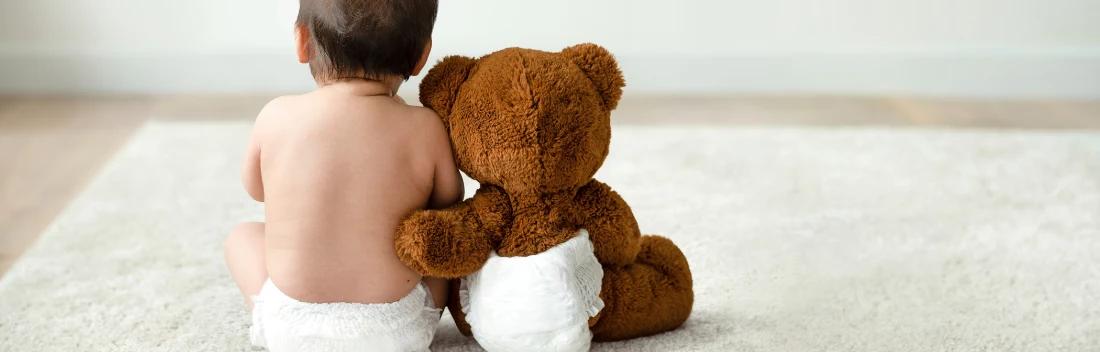
There comes a time when changing a nappy can become quite a challenge: your baby is crawling, won’t stop moving, tries to sit up or wriggles away just as you’re about to fasten it. It’s a sign that they’re growing… and perhaps also that it’s time to try a different type of nappy: pull-up nappies. But when is it worth making the switch? Is it better to use them all day long? Will your baby notice the difference? At Farmaciasdirect, we’ll explain how the different types differ and what clues your baby might give you.
Traditional nappies or pull-up nappies: how do they differ?
The main difference lies in the design and how they’re put on:
- A traditional nappy (elasticated nappy) is put on whilst the baby is lying down and secured using its adhesive fastenings. It’s particularly practical during the first few months, when the baby spends more time lying down and nappy changes are relatively straightforward.
- Pants-style nappies are shaped like underwear and are put on simply by pulling them up over the legs. They’re particularly comfortable when your baby starts moving around more and it becomes difficult to keep them lying down during a nappy change. Furthermore, pull-up nappies can make the transition to potty training easier, as the action of pulling the nappy up and down is more similar to that of underwear.
Signs from your baby that it’s time to switch to pull-up nappies
There isn’t a specific age at which all babies should switch to pull-up nappies, but it’s worth keeping an eye on their development and routines. Here are some signs that might indicate the time has come:
- They crawl and never stop moving.
- They wriggle a lot during nappy changes. They roll over, sit up or constantly try to stand up.
- They start having leaks. Leaks can be caused by various reasons: the wrong size, a poor fit, too much time between nappy changes, or the nappy no longer meeting the baby’s needs. If this happens frequently, check the size and fit first.
- They start walking. Pull-up nappies can be particularly handy for quick nappy changes without having to lay them down.
Featured products


Pants-style nappies during the day and traditional nappies at night: how to combine them
You don’t have to stick to just one type of nappy; you can combine both types depending on your little one’s needs:
- During the day, pull-up nappies can make changes easier when your baby is active, crawling or walking.
- At night, however , it can be very useful to stick with traditional nappies as they’re easy to put on whilst your baby is lying down and fit in with your night-time routine.
The most important thing is to choose the right size and check that the nappy fits snugly around the legs and waist, without being too tight.
Dodot Activity or Dodot Pants: which to choose depending on the stage
Within the Dodot range, you’ll find different styles tailored to the needs of each stage:
- Dodot Activity is a traditional nappy that offers a snug fit and protection both day and night. It can be a good option when your baby still spends much of their time lying down or when you prefer the traditional style.
- Dodot Activity Pants, on the other hand, are designed like little trousers and are ideal for babies who are very active. Dodot Pants are like little trousers and make nappy changes easier when your little one is crawling, standing up or starting to walk.
The choice depends not only on age, but also on how active your little one is and how practical nappy-changing is for you. Don’t forget that when changing a nappy, you should clean the area thoroughly with a wet wipe and dry it, apply nappy cream and fasten the nappy securely to prevent nappy rash.